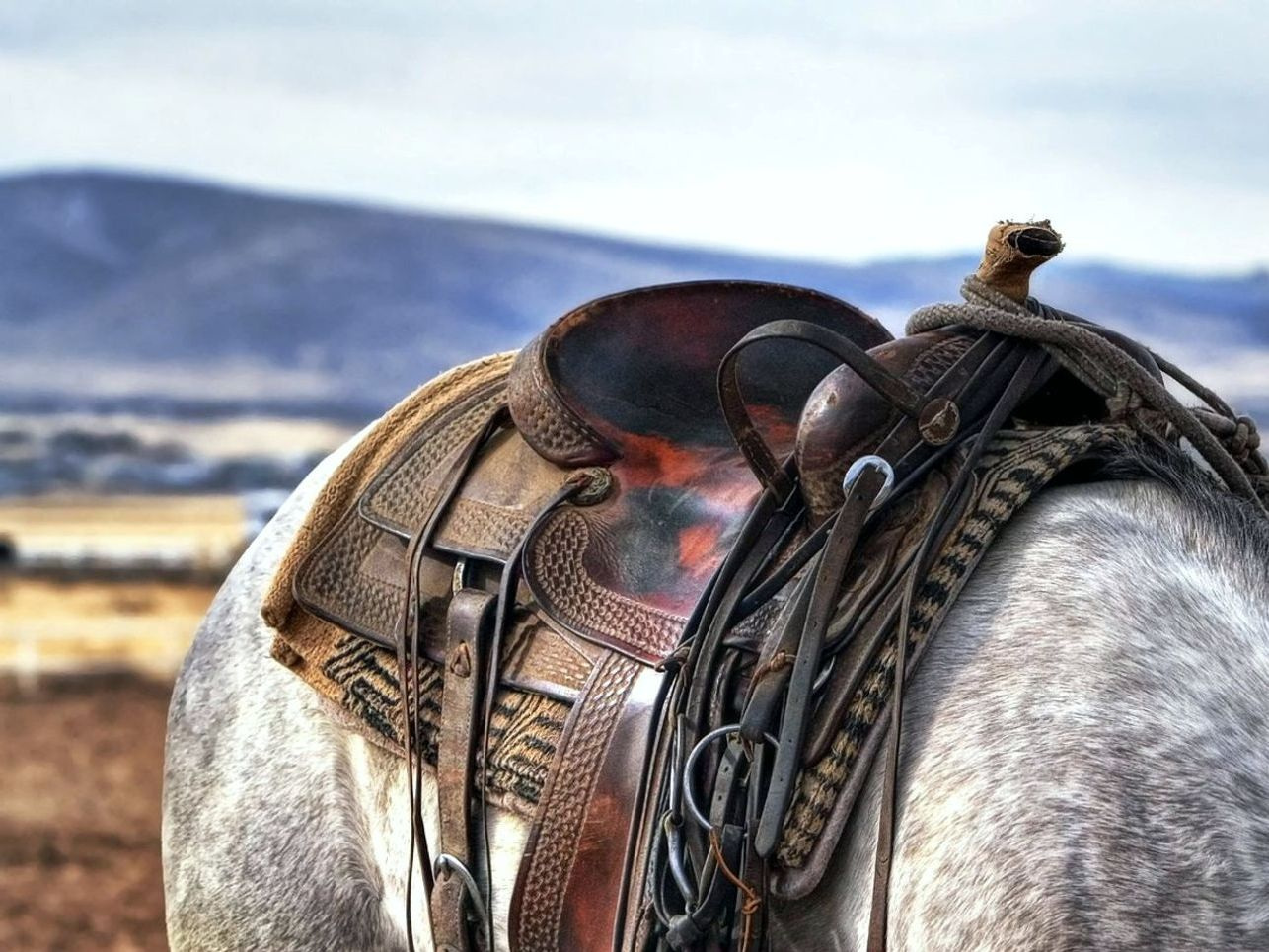
There is a stretch of the morning on the ranch that belongs almost entirely to the cattle and the hands who rise before them. It begins about an hour before the sun clears the horizon, when the air still holds the cold of the night and the first feeding gates are opened across the pasture. It ends the moment real light reaches the farmland. Anyone who has walked that stretch between the stables and the first field will tell you the same thing: it is not the view you come back for — it is the quiet work of agriculture before the day truly starts.
Cattle move before the light does
The first surprise, out on the farm ranch, is how much there is to hear before first light. With no sun to lead the eye, the ear takes over — water moving through the trough line, a shift in the herd as the cattle rise and stretch, the dry rustle of hay shifting in the loft, a calf calling somewhere near the stables. Hands who normally move fast through morning chores find themselves pausing without quite knowing why, listening to the small rhythms of rural life starting before anyone else is awake.
None of this is mystical. Sound carries further across open farmland in cold, still air, and there is nothing in the pasture competing with it this early. Knowing why the herd sounds closer than it is doesn't make the first quiet morning of calving season any less strange — you still stop and listen before you quite believe what you're hearing.
The second surprise is how well the eyes adjust once the morning chores are done. Given twenty minutes without a flashlight, most ranch hands can follow the fence line by the difference between the sky and the pasture beneath it. The trick is not to stare straight at the herd — peripheral vision reads low light far better, so a cow standing near the tree line shows up clearest the moment you look just past her.
There is a limit, and it's worth being honest about it. Under heavy cloud with no moon, the line between fence and open farmland disappears completely, and the sensible move is to use the lantern you brought out to the stables. Nobody gets a medal for walking a pasture blind and twisting an ankle checking on cattle.
What the morning chores ask of you
An earlier night, which is the part almost no one running a farming operation manages for long. One more layer than you think you need, especially during bull breeding season, because the coldest point of the day lands just before sunrise, not in the middle of the night. And a route through the pasture you already know well, since sunrise chores are not the time to discover a gate down or a crossing flooded.
Also: tell someone which pasture you're heading to. This single habit separates the ranchers who do this for thirty years from the ones who have a bad accident in their first. It costs nothing, and on a farm ranch where equipment and cattle can both turn on you, it removes the one outcome that actually matters.
Beyond that, the morning asks for very little. A headlamp kept off unless you need it, strong coffee, hay already loaded for the day, and enough time that animal feeding isn't rushed. The point is to get out to the pasture early and let the herd set the pace, not the clock.
You do not go out just to feed the cattle. You go out to be there while the ranch wakes up.
Then the pasture comes into view
It doesn't happen all at once, and it doesn't happen where you expect. Long before anything shows over the east ridge, the farmland starts to separate from itself — a fence line, then the shape of a rise, then the fact that the grass has colour and the colour is not grey. The herd comes back into focus before the detail of each animal does.
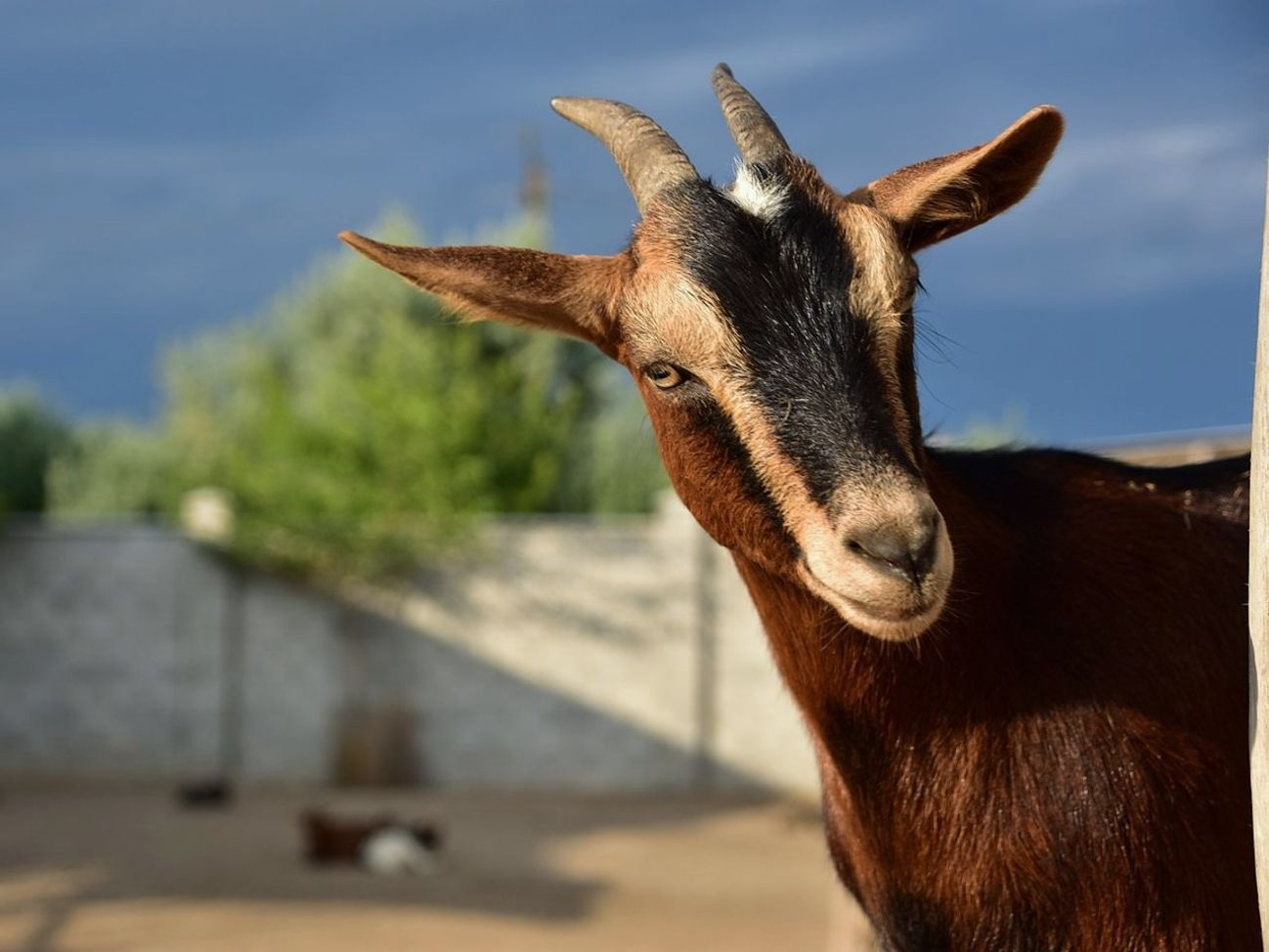
There's a short window, maybe four or five minutes, when the low sun rakes sideways across the pasture and every furrow left from hay harvesting stands up sharp. Then it lifts, the shadows shorten, and the farmland goes back to looking like an ordinary morning on the ranch.
The temptation now is to reach for a camera, and there's nothing wrong with that, though almost every rancher reports the same thing. The photographs are fine, and they're not the thing. What a photograph can't hold is the twenty cold minutes of standing at the gate, coffee in hand, watching the cattle move out across the pasture before any of this happened.
Back to the barn
The mornings that fail are useful too. Flat grey light, wind that makes checking fence lines miserable, an hour of chores for nothing you'd bother describing to anyone afterward — these are what make the good mornings on the ranch worth noticing. Without the ordinary days of farm ranch work, the whole thing collapses into scenery instead of a working operation.
Go often enough and the mornings stop being interchangeable. You start to recognise, from the feel of the air on the walk to the stables, which ones will turn into something worth remembering, and you're wrong often enough to keep showing up anyway. The honest reason has little to do with the light: for one hour the cattle are calm, the pasture is quiet, and the day hasn't yet started making demands of the operation.
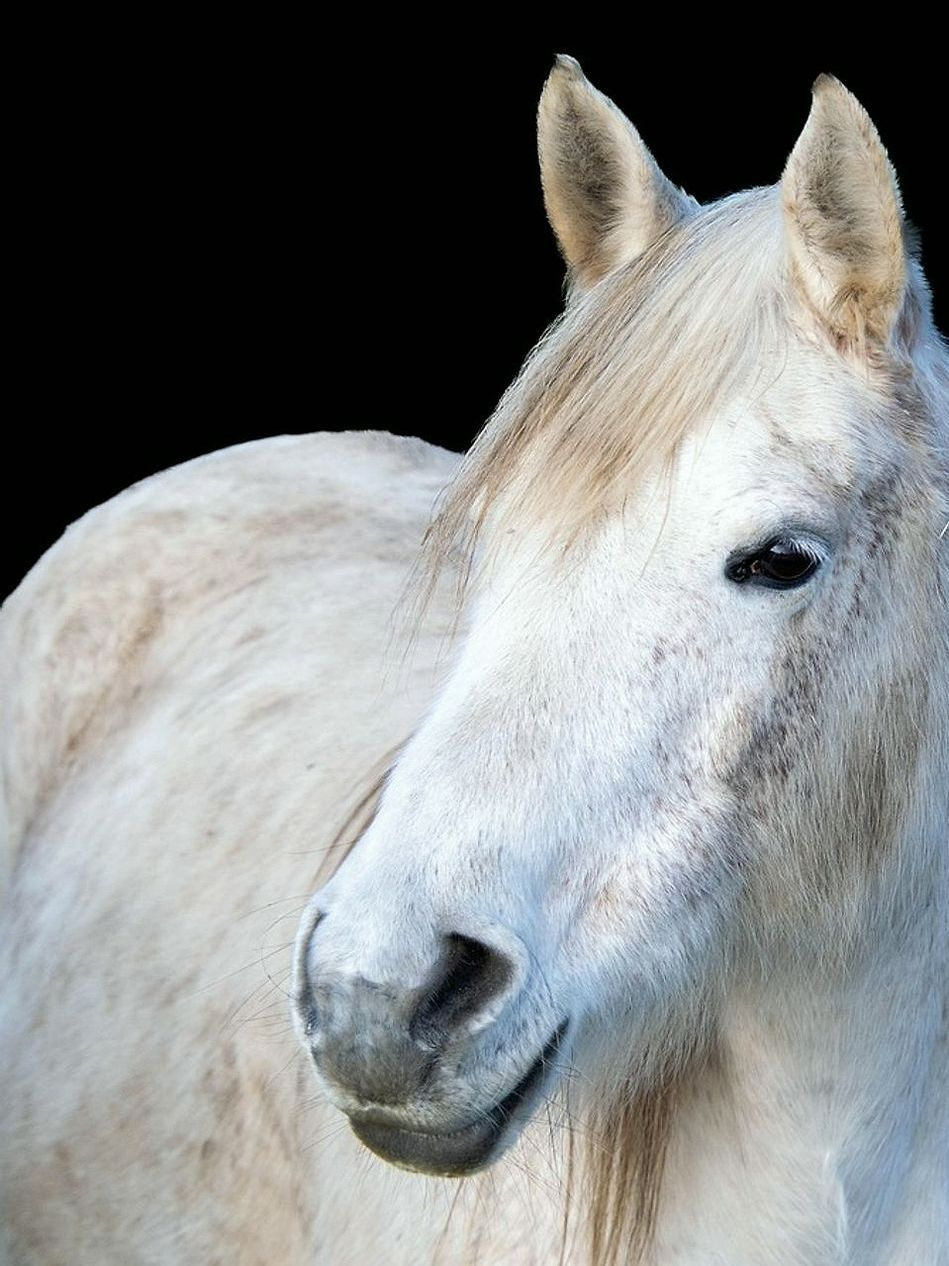
Mira K. has walked the pasture before dawn more mornings than is reasonable, and has overseen livestock care on this farm ranch since the herd was a tenth the size it is now.